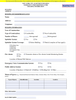
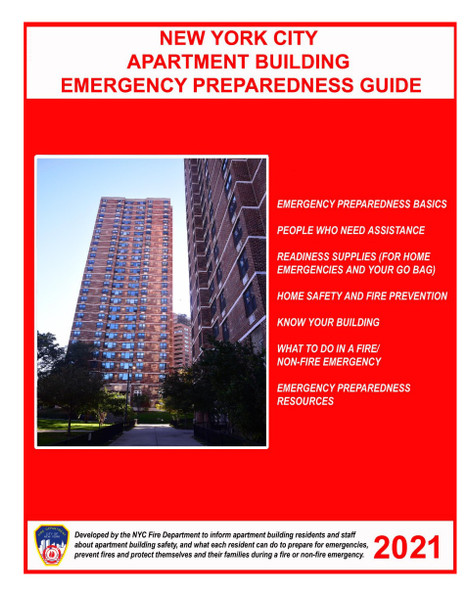
Apartment Building Emergency Preparedness Guide -Building information sheet ( PDF FILE v2026-6D)

(No reviews yet) Write a Review
SKU:
Apartment Building Emergency Preparedness Guide ( PDF FILE v2026-6D)
MPN:
Apartment Building Emergency Preparedne
  • Apartment Building Emergency Preparedness Guide -Building information sheet ( PDF FILE v2026-6D)
  • Apartment Building Emergency Preparedness Guide -Building information sheet ( PDF FILE v2026-6D)
$0.00
Frequently bought together:

Description


NYC FDNY Building Information Sheet Requirement

Apartment Building Emergency Preparedness Guide – Building Information Section

Owners of residential apartment buildings containing three (3) or more dwelling units are required to prepare and distribute a Building Information Sheet as part of the NYC Apartment Building Emergency Preparedness Guide. This requirement comes from FDNY Rule 3 RCNY §401-06 and is intended to provide residents and building staff with critical information about the building's fire protection systems, emergency features, and evacuation routes.


Purpose of the Building Information Sheet

The Building Information Sheet helps residents understand:

  • How the building is constructed.
  • Whether the building has sprinklers.
  • Whether a fire alarm system exists.
  • Where emergency exits are located.
  • How occupants should evacuate during an emergency.
  • Who to contact in case of an emergency.
  • What fire safety systems are installed in the building.

The goal is to improve emergency preparedness and reduce injuries and fatalities during fires, power outages, severe weather events, and other emergencies.


Who Must Complete It?

The following buildings are generally required to provide this information:

  • Apartment buildings with 3 or more dwelling units
  • Multiple dwellings subject to FDNY fire safety regulations
  • Buildings required to distribute the FDNY Emergency Preparedness Guide

The building owner, managing agent, or designated representative must complete the form and provide it to residents and building staff.


Information Required on the Form

1. Building Address

The complete building address must be listed.

This identifies the property covered by the emergency preparedness guide.


2. Owner or Managing Agent Information

The form requires:

  • Owner or representative name
  • Mailing address
  • Telephone number

This information allows residents and emergency personnel to contact responsible parties if necessary.


3. Year of Construction

The owner must provide the year the building was built.

Older and newer buildings often have different fire safety features and construction methods.


4. Type of Construction

The form asks whether the building is:

Combustible Construction

Buildings containing combustible structural elements such as:

  • Wood framing
  • Wood joists
  • Wood roof structures

These buildings may allow fire to spread more rapidly.

Non-Combustible Construction

Buildings primarily constructed with:

  • Steel
  • Concrete
  • Masonry
  • Fire-resistant materials

These buildings generally provide greater fire resistance.


5. Number of Floors

Owners must indicate:

  • Above-ground floors
  • Below-ground floors

This helps residents understand evacuation distances and building layout.


6. Sprinkler System Information

The owner must indicate whether the building has a sprinkler system.

Entire Building Protected

If sprinklers protect all areas.

Partial Coverage

If only certain areas are sprinklered, the owner must identify:

  • Dwelling units
  • Hallways
  • Stairwells
  • Compactor chutes
  • Other protected areas

Residents should know which portions of the building have automatic fire suppression protection.


7. Fire Alarm System Information

The form requires disclosure of:

Fire Alarm Present?

  • Yes
  • No

Central Monitoring

Whether the fire alarm automatically transmits signals to a central monitoring station.

Manual Pull Stations

The owner must identify where manual fire alarm pull stations are located within the building.


8. Emergency Voice Communication System

The owner must indicate whether the building has:

  • Emergency voice communication
  • Building-wide emergency announcements

These systems may be used to provide evacuation instructions during emergencies.


9. Public Address System

The form asks whether a public address system exists.

If present, speaker locations must be identified, including:

  • Stairwells
  • Hallways
  • Dwelling units
  • Other locations

This helps residents understand how emergency instructions will be delivered.


10. Means of Egress (Emergency Exits)

One of the most important sections.

The owner must identify all emergency exit routes and evacuation systems, including:

Interior Stairs

  • Enclosed stairs
  • Unenclosed stairs

Exterior Stairs

Outdoor exit stairways.

Fire Tower Stairs

Protected stair enclosures designed for evacuation.

Fire Escapes

Exterior metal fire escape systems.

Other Exits

Any additional approved means of egress.

For each exit route, the owner should identify:

  • Type of egress
  • Identification
  • Location
  • Where the exit leads

This information helps residents locate safe evacuation routes before an emergency occurs.


11. Additional Building Information

The owner may include:

  • Special building conditions
  • Emergency instructions
  • Unique fire safety features
  • Building-specific evacuation procedures

This section provides flexibility for additional safety information.


Distribution Requirement

The completed Building Information Sheet must be distributed together with the:

NYC Apartment Building Emergency Preparedness Guide

to:

  • All residents
  • New tenants
  • Building staff

The information should be updated whenever major building systems change and redistributed as required by FDNY rules.


Why This Requirement Exists

FDNY created this requirement so residents can:

  • Understand their building's fire protection systems.
  • Know where exits and stairwells are located.
  • Learn whether sprinklers are installed.
  • Identify fire alarm locations.
  • Prepare for fires and other emergencies before they occur.

The Building Information Sheet serves as a building-specific emergency reference that supplements the FDNY Emergency Preparedness Guide and helps residents make informed decisions during emergencies.

Authority: FDNY Rule 3 RCNY §401-06(c) and §401-06(d) – Apartment Building Emergency Preparedness Guide and Building Information Section.


Legal Disclaimer

This explanation is provided for general informational and educational purposes only and does not constitute legal advice, code interpretation, engineering guidance, or professional compliance services. Building codes, Housing Maintenance Code requirements, HPD interpretations, and enforcement practices may change over time or vary depending on building conditions and inspector interpretation.

We are a small independent family-owned business and are not affiliated with or endorsed by the City of New York, HPD, DOB, FDNY, or any governmental agency. Property owners, managers, contractors, and tenants are responsible for independently verifying all applicable laws, rules, lighting requirements, electrical standards, and compliance obligations with the appropriate licensed professionals and official NYC agencies before performing work or relying on this information.

Failure to comply with applicable laws may result in violations, penalties, or liability. Always consult qualified legal counsel, licensed electricians, architects, engineers, or code professionals regarding specific building conditions or compliance questions.


DISCLAIMER:This summary is provided for general informational purposes only and does not constitute legal, engineering, architectural, or code-compliance advice. Building owners, landlords, contractors, and property managers are responsible for verifying all current requirements with the applicable New York City agencies and licensed professionals. NYC laws, codes, and regulations may change over time.


DISCLAIMER: The information, images, and attached flyer are provided for informational purposes only. This flyer was originally created and distributed free of charge by the New York City Department of Sanitation (“DSNY”) and may be downloaded directly from official New York City government websites. Our company is not affiliated with, endorsed by, authorized by, or acting on behalf of DSNY or any New York City agency. We are providing this material free of charge solely as a public convenience and educational resource.

While we attempt to provide accurate and up-to-date information, laws, regulations, enforcement dates, penalties, and compliance requirements may change without notice. Property owners, managers, and buyers are solely responsible for verifying all requirements directly with official New York City sources, including DSNY and the NYC Administrative Code. Our company makes no guarantees regarding completeness, accuracy, legal compliance, or inspection acceptance and assumes no liability for errors, omissions, losses, violations, penalties, or damages arising from the use of this information or flyer.


DISCLAIMER to comply with the New York City Consumer Protection Law which applies to all businesses operating in New York City: We are small family-owned and family-operated Brooklyn-based business. We are not a City of New York store nor are the website, products or services affiliated with the City of New York or any agency of the City of New York. We ourselves, our business, websites, products, services, or any hyperlinks from its website are not sponsored by, approved by, affiliated with, endorsed by, or connected to the City of New York or any agency of the City of New York, including but not limited to HPD, DOB, DOT, DSNY, FDNY and federal directly or by implication.

DISCLAIMER These codes may not be the most recent version. The State / federal or other regulation department may have more current or accurate information. We make no warranties or guarantees about the accuracy, completeness, or adequacy of the information contained on this site or the information linked to on the state site. Please check official sources.

The requirements for sign content are determined by intended use and by applicable regulation. The BUYER is responsible for determining the appropriate content for a sign or package of signs.  WE makes no warranty or representation of suitability of a sign for any specific application. IT IS THE CUSTOMER'S RESPONSIBILITY TO ENSURE THAT THE SIGNS THE CUSTOMER ORDERS ARE IN COMPLIANCE WITH ALL STATE, FEDERAL, LOCAL, AND MUNICIPAL LAWS. Please review terms and conditions prior to purchase. 

For more information about what is required, see the laws that are referenced and the rules applicable to your city and state. This page is for informational purposes only and is not intended as legal advice, professional advice or a statement of law. You may wish to consult with an attorney.

View AllClose