hpdsigns.nyc
NYC Control of Pests & Asthma Allergen Triggers – Owner Compliance form (pdf)

- SKU:
- NYC Indoor Allergen Hazards Law – Step-by-Step Compliance Guide for Building Owners and pdf form
- MPN:
- Compliance Guide for Building

Description
NYC Indoor Allergen Hazards Law – Step-by-Step Compliance Guide for Building Owners and pdf form
This guide explains how building owners must comply with NYC Housing Maintenance Code §27-2017.2 (Control of Pests and Other Asthma Allergen Triggers). The law requires annual investigations and additional inspections when triggered by complaints, foreseeable conditions, or HPD violations.
LEGAL REQUIREMENT SUMMARY (§27-2017.2)
Owners of multiple dwellings must:
• Investigate indoor allergen hazards in ALL occupied dwelling units.
• Investigate ALL common areas of the building.
• Conduct investigations at least once per calendar year.
• Conduct additional investigations when:
- The owner knew or should have known of a condition likely to cause an indoor allergen hazard.
- A tenant makes a complaint or requests an inspection.
- HPD issues a notice of violation or orders correction of a condition likely to cause an indoor allergen hazard.
STEP 1 – ESTABLISH AN ANNUAL INSPECTION SCHEDULE
Select a consistent month each calendar year to perform inspections. Every occupied unit and all common areas must be inspected at least once per year.
STEP 2 – PREPARE THE INVESTIGATION LOG
Create an investigation log that includes:
• Apartment number or common area
• Inspection purpose (annual, tenant complaint, owner awareness, HPD violation)
• Investigation date
• Investigator name and relationship to the building
• Findings
• Remedial action taken
• Date remedial action taken
• Individual or company performing remedial work
STEP 3 – PERFORM THE INVESTIGATION
Inspect for the following indoor allergen hazards:
• Visible mold
• Cockroaches
• Mice
• Rats
• Other allergen triggers
Document all findings clearly and objectively.
STEP 4 – TAKE REMEDIAL ACTION WHEN HAZARDS ARE FOUND
If hazards are identified:
1. Open a work order immediately.
2. Identify the root cause (leaks, entry points, sanitation issues, etc.).
3. Correct the condition.
4. Record the remedial action and completion date.
5. Record the individual or company performing the work.
STEP 5 – HANDLE TRIGGERED INSPECTIONS
In addition to the annual inspection, conduct investigations whenever:
• A tenant files a complaint.
• You become aware of a foreseeable condition.
• HPD issues a violation related to indoor allergen hazards.
Each triggered inspection must be logged separately with inspection purpose clearly stated.
STEP 6 – FOLLOW-UP AND REINSPECTION
After corrective work is completed, perform a follow-up inspection if necessary to confirm the hazard has been resolved. Document the results.
RECORDKEEPING REQUIREMENTS
Maintain annual investigation records for each calendar year including:
• Completed investigation logs
• Work orders and invoices
• Contractor licenses (if applicable)
• HPD violation notices and proof of correction
Proper documentation demonstrates compliance with NYC law and protects against penalties.
OWNER COMPLIANCE CHECKLIST
☐ Annual inspection completed for all occupied units
☐ Common areas inspected
☐ Complaint-triggered inspections logged
☐ Hazards corrected promptly
☐ Remedial actions documented
☐ Follow-up inspections performed when needed
☐ Records retained by calendar year
DISCLAIMER to comply with the New York City Consumer Protection Law which applies to all businesses operating in New York City: We are small family-owned and family-operated Brooklyn-based business. We are not a City of New York store nor are the website, products or services affiliated with the City of New York or any agency of the City of New York. We ourselves, our business, websites, products, services, or any hyperlinks from its website are not sponsored by, approved by, affiliated with, endorsed by, or connected to the City of New York or any agency of the City of New York, including but not limited to HPD, DOB, DOT, DSNY, FDNY and federal directly or by implication.
DISCLAIMER These codes may not be the most recent version. The State / federal or other regulation department may have more current or accurate information. We make no warranties or guarantees about the accuracy, completeness, or adequacy of the information contained on this site or the information linked to on the state site. Please check official sources.
The requirements for sign content are determined by intended use and by applicable regulation. The BUYER is responsible for determining the appropriate content for a sign or package of signs. WE makes no warranty or representation of suitability of a sign for any specific application. IT IS THE CUSTOMER'S RESPONSIBILITY TO ENSURE THAT THE SIGNS THE CUSTOMER ORDERS ARE IN COMPLIANCE WITH ALL STATE, FEDERAL, LOCAL, AND MUNICIPAL LAWS. Please review terms and conditions prior to purchase.
For more information about what is required, see the laws that are referenced and the rules applicable to your city and state. This page is for informational purposes only and is not intended as legal advice, professional advice or a statement of law. You may wish to consult with an attorney.
Related Products

AFFIDAVIT OF COMPLIANCE HPD NYC FORM AF-7 (PDF)
hpdsigns.nyc

AFFIDAVIT OF COMPLIANCE HPD NYC FORM AF-8 (PDF)
hpdsigns.nyc

AFFIDAVIT OF COMPLIANCE HPD NYC FORM AF-9 (PDF)
hpdsigns.nyc
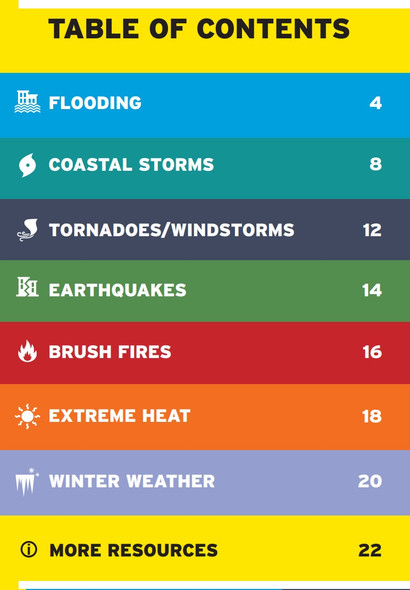
OWNER REDUCE YOUR RISK - NYC (pdf)
hpdsigns.nyc